
Blog Overview
Extract duct cleaning plays an important role in keeping commercial kitchens safe, clean, and compliant. However, even when cleaning is carried out regularly, certain mistakes can leave grease trapped inside ductwork, increasing fire risks and affecting ventilation performance. This blog explores five common extract duct cleaning mistakes, explains how shop owners can recognise potential problems, and highlights the importance of professional duct cleaning in Edinburgh.
Importance of Complete Extract Duct Cleaning
In commercial kitchens, grease does not stay in the extractor hood. Cooking releases grease laden vapours and particles travel through filters and into the extraction ducting. Such deposits can accumulate over time on internal surfaces and can be a severe fire hazard if not properly removed. A clean kitchen extraction system for shop owners running cafes, takeaways, restaurants and other food businesses supports safer working conditions and effective ventilation. Professional duct cleaning in Edinburgh services help to get rid of built up grease from places that routine surface cleaning cannot reach.
Five Extract Duct Cleaning Mistakes to Avoid
1. Cleaning of the extractor hood only
The hood is the most apparent part of the system and is thus frequently the one that receives the most attention. But cleaning the accessible filters and wiping the hood won’t clean grease further into the ductwork. For example, a takeaway may appear fine in a routine inspection when thick grease deposits are still in horizontal ducts or bends. A complete cleaning must be performed on all systems that are accessible, including the interior of ducts and other components as applicable.
2. Duct Bends and Concealed Corners Overlooked
Grease can build up around joints, bends, access panels and changes in the direction of the duct. These areas are often missed when cleaning is done in a rush or areas are difficult to access.
A good cleaning process finds hard to reach areas and gives them the attention they deserve. This can mean that grease remains hidden even after the visible parts of the extraction system have been cleaned.
3. Using Improper Cleaning Methods
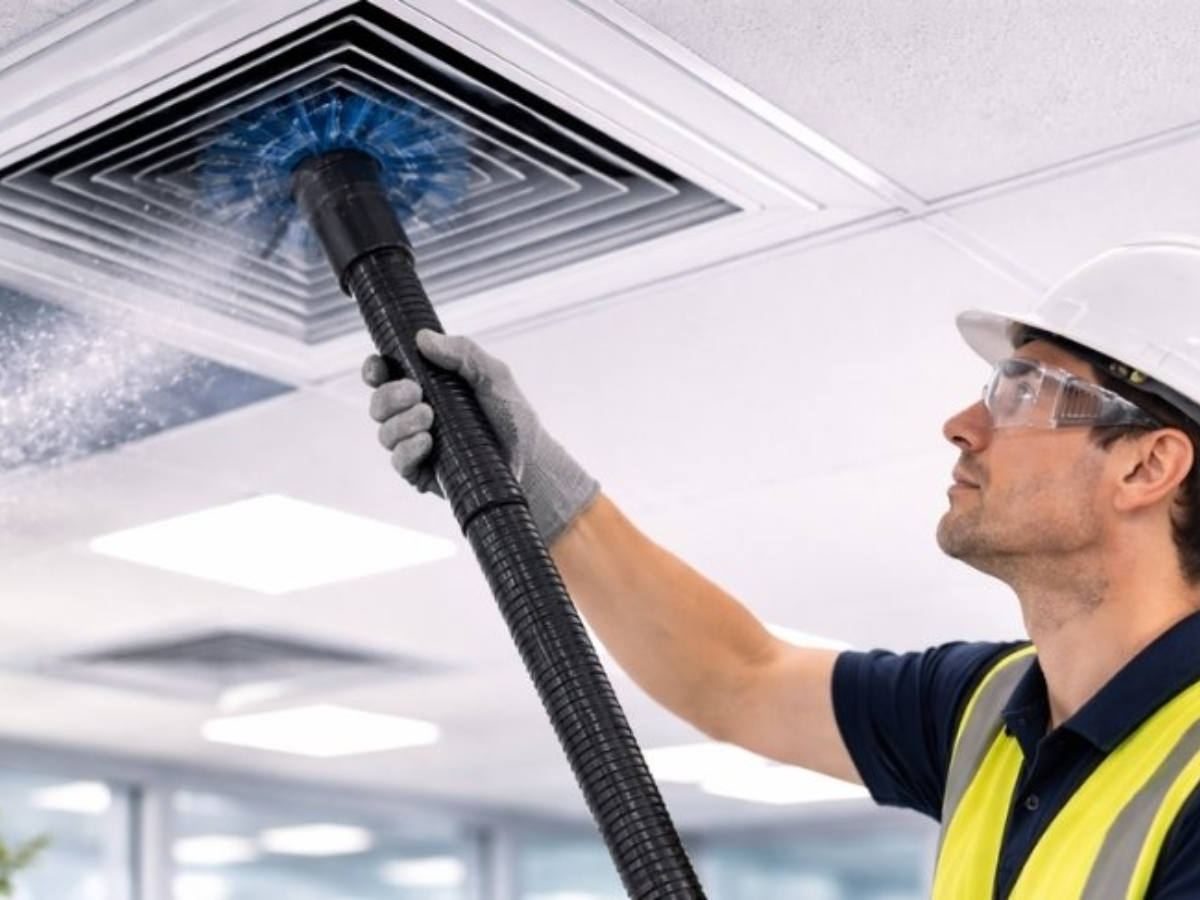
Not all cleaning products or tools are appropriate for commercial extraction ductwork. If the equipment is inadequate, it may leave behind tenacious deposits, and if the methods are unsuitable, they may damage parts or create additional maintenance problems. Professional technicians will determine the right tools and cleaning methods according to the system condition. They also provide safe access, protect the equipment and properly remove loosened grease.
4. Ignoring Regular Cleaning Schedules
Busy kitchens are prone to putting off maintenance with orders coming in and staff stretched. But grease keeps building up between cleanings. The frequency of cleaning depends on the volume of cooking, the type of food preparation and amount of grease generated. A good maintenance schedule can help a business keep build-up under control before it becomes a big issue.
5. Not checking and recording results
A cleaning visit needs to be more than doing the work and leaving the premises. Businesses may have little evidence that hidden areas were cleaned properly without checking the results. Good service will have appropriate checks after cleaning and clear documentation of what has been done. Records should identify inaccessible sections or outstanding issues requiring further attention where relevant.
The Hidden Grease Problem Behind Busy Kitchen Doors
Imagine a restaurant that is cooking fried foods all day long. Staff are cleaning the cooking surfaces every evening but the extraction system receives only an occasional clean. Months later, with no one looking, you can have a lot of grease deposits in the ductwork. That is why visible cleanliness is not enough to prove an extraction system is safe.
Grease build-up can increase the fire hazard and poor air flow can affect the effectiveness of the ventilation and the comfort of kitchen staff. Opting for TR19 duct cleaning in Edinburgh Scotland can aid businesses to handle hidden contamination using a systematic cleaning approach. TR19, the Building Engineering Services Association’s guidance, provides a valuable framework for the assessment and maintenance of kitchen extract systems, including suitable cleaning frequencies and documentation.
When Should You Call in a Professional Cleaner?
Do not wait until you see grease build-up around the ducts’ openings. If you see persistent greasy deposits, a decrease in extraction performance, large deposits around accessible parts or notices of overdue maintenance, then consider scheduling an assessment.
How often you clean should be based on how much you actually use the kitchen, and on a risk assessment of the kitchen, and not on a convenient calendar date. Professional advice will help you to set a suitable schedule and help you identify the areas that need attention.
Choose Trustworthy Extract Duct Cleaning Help
To avoid these five mistakes, the first step is to look at the whole extraction system as a connected unit, not just the visible surfaces. Regular maintenance, appropriate cleaning methods and clear records can help shop owners manage fire risks and maintain a healthier working environment.
Tech Mechanical offers expert support for your commercial kitchen needs. Please contact our team to discuss your duct cleaning in Edinburgh needs and to arrange a convenient assessment of your premises.